This coffee started long before it reached Madison.
Here is where it comes from.
THE LAND
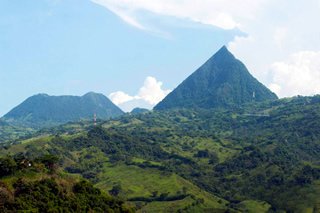
Jardín. Jericó. The mountains around Medellín. The Oriente region of Antioquia, a coffee-growing region of Colombia.
These are not just place names. They are specific altitudes, specific soils, specific microclimates that determine what ends up in your cup.
Volcanic soil holds water and minerals in a way that other soils do not. The mountain air cools at night, slowing the development of the coffee cherry and concentrating the sugars. The rivers provide fresh water for washing the coffee after fermentation.
None of this is accidental. These families have understood this land for generations.
THE TREE
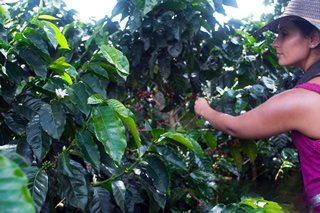
A coffee tree takes three years to produce its first harvest.
The families we work with plant the seedlings, water them, protect them, prune them. For three years, with no return.
Then the first cherries come. They keep coming for ten years more, if the tree is cared for well. These families know how to care for them. Their grandparents taught their parents. Their parents taught them.
When you open a Rainblow bag, you are holding twelve or more years of someone’s knowledge and work.
THE HARVEST
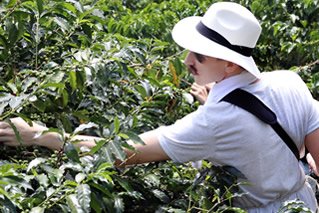
One cherry at a time.
Coffee is picked by hand on these farms, cherry by cherry, because a ripe cherry and an unripe one look different and taste different.
Only the ripe ones go in the basket. It takes skill and patience to do it right across an entire harvest. The families who do this work are applying knowledge that produces a measurably better cup.
THE PROCESS
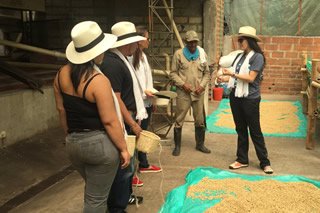
What happens after the harvest determines what the coffee tastes like.
The cherries go through fermentation. Time-controlled, deliberately managed. The length, the temperature, the conditions are decisions made by the farmer, based on experience and intention.
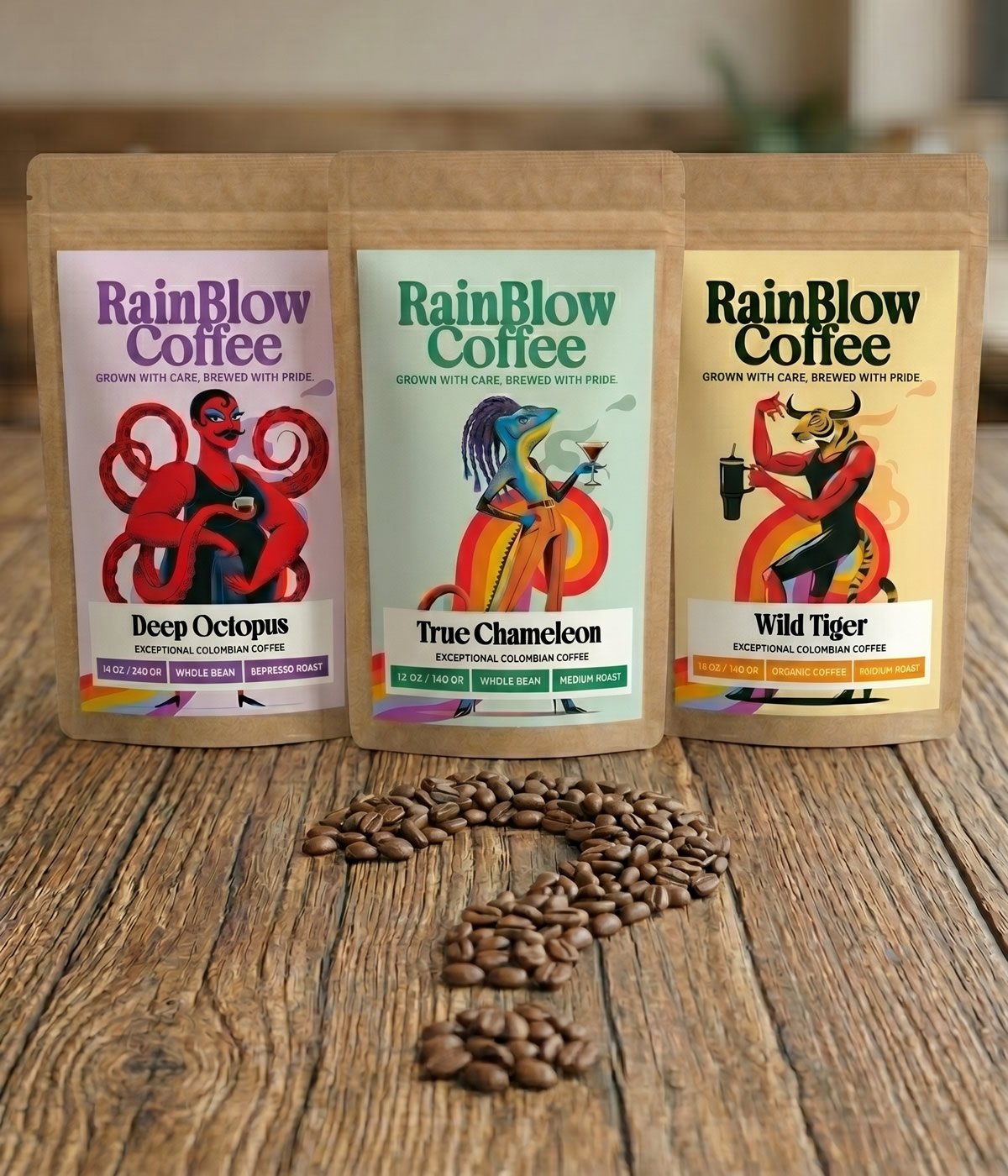
This is where the red berry character of True Chameleon comes from. A decision made on the farm, not from the roast.
After fermentation, the coffee is washed with fresh mountain water. Then it dries in the sun, turning on the drying beds so the heat reaches every side evenly.
The sun, the water, the air of the mountain. All of it becomes part of the coffee before it ever sees a roaster.
THE ROAST IN MEDELLÍN
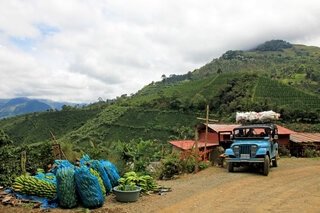
The farming families bring their coffee into Medellín and finish it themselves.
In most coffee supply chains, the grower sells their harvest and loses contact with everything that follows. In our model, the families have access to the roasting equipment in Medellín. They bring their coffee in. They are part of the process. They taste the result.
They understand what their coffee is worth as a finished product, not just as raw weight by the sack.
For the first time, they can also keep a portion of their own roasted coffee to sell directly. Before working with Rainblow, most of them could not roast their own coffee, could not taste the final result, and had no connection to the price someone paid for it in another country. That has changed.
Their payment is higher because they understand why.
MEDELLIN TO MADISON
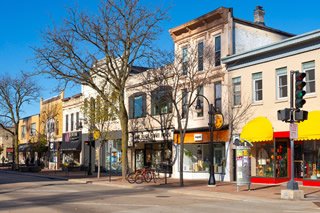
From the roaster in Medellín to your hands in Madison. Always within seven days of roasting.
Rainblow does not hold inventory. Every order is roasted when it is ordered. The coffee that arrives at your door was roasted the week it shipped.
Coffee degasses and evolves in the days after roasting. What you open is at its best. That is a supply chain decision, not a marketing line.
THE CIRCLE
Rainblow connects communities through coffee.
Coffee moves between places.
People do too.
A cup of Rainblow Coffee connects a coffee grower in Medellin, Colombia, with a coffee drinker in Madison, WI. It connects an artist with a community, a small business with its customers, a traveler with a host, and a story with the people who are ready to hear it.
The Circle is the name we give to these connections.
It is the idea that coffee can do more than move through a supply chain. It can create relationships that continue long after the coffee is gone.
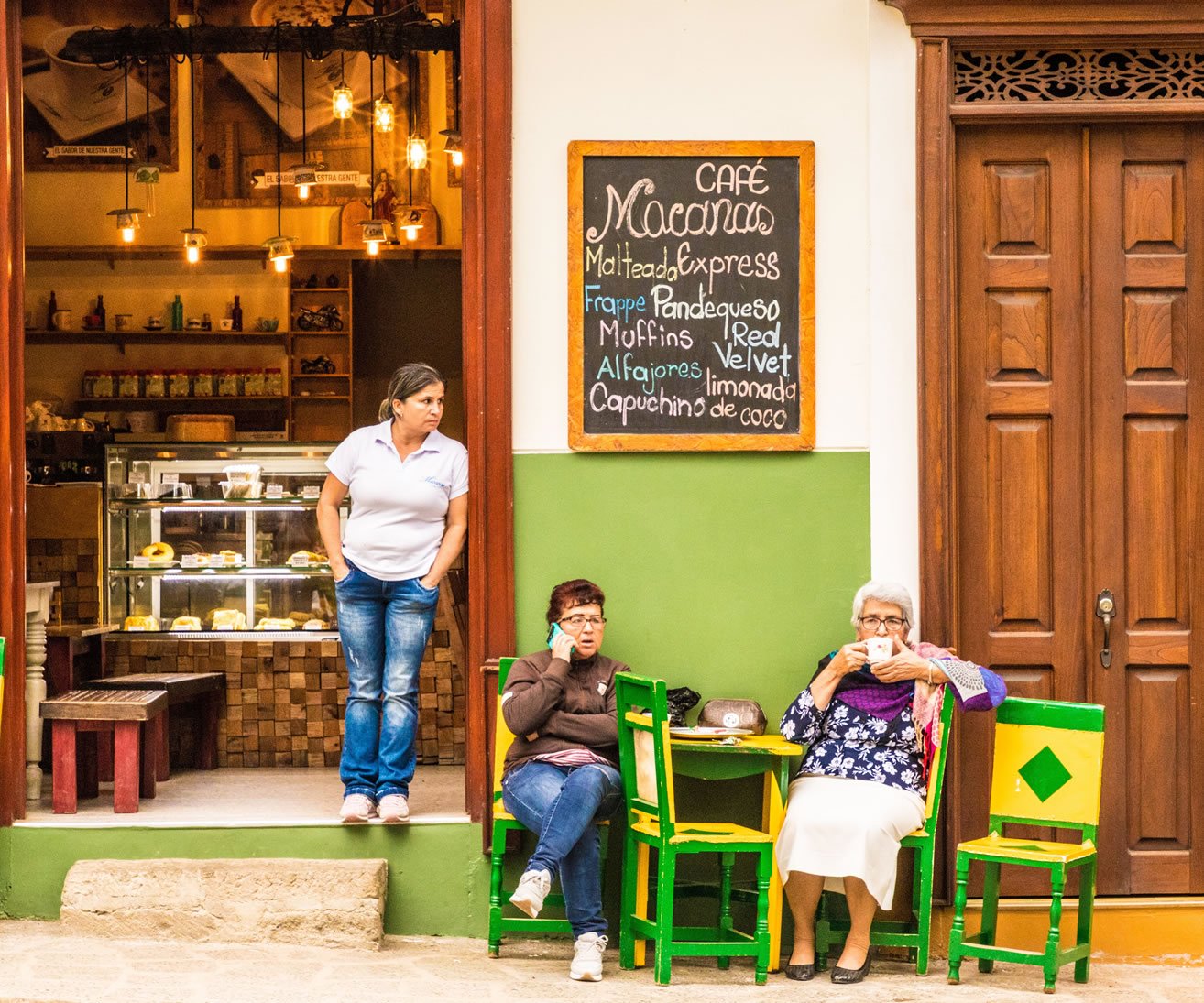
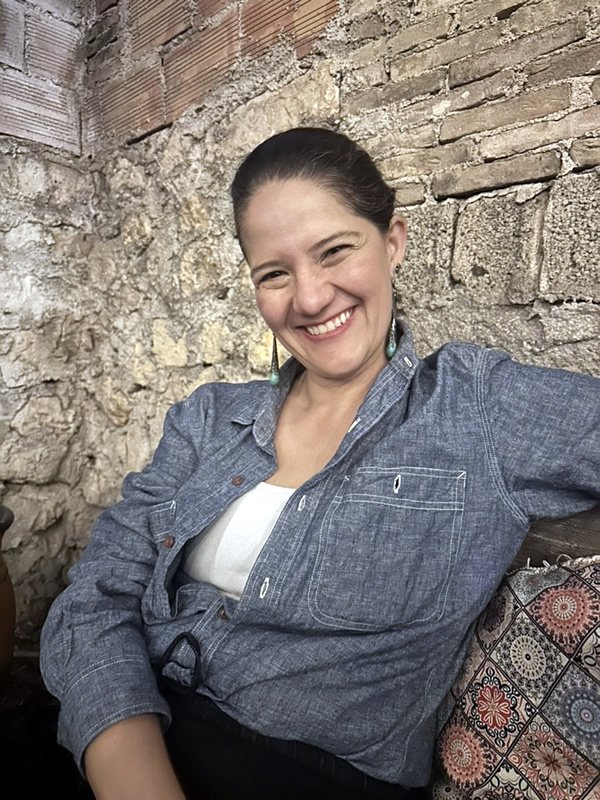
As part of the Rainblow community, you'll always get the first word on every harvest, straight from me, and if you want to talk coffee, from how it's grown and brewed to what makes it great, write to me at mc@rainblowcoffee.com
MC, Founder / Director of Origin and Trade